
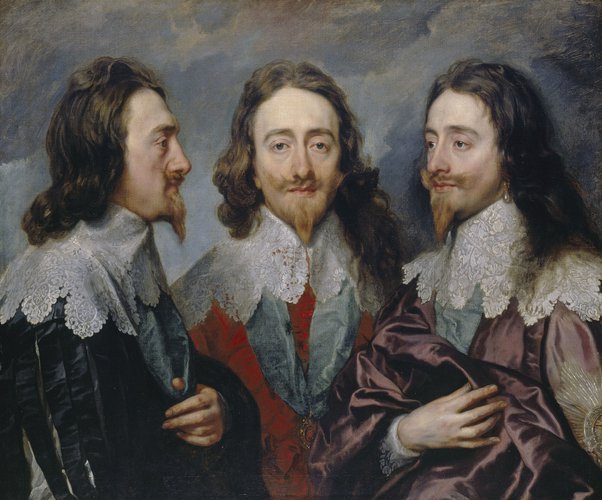
Whose Wills Were Laws
Whose Wills Were Laws explores English music across the turbulent middle decades of the seventeenth century, from the court of Charles I, through the Civil War and into the Restoration. Songs, fantasia suites, divisions and chamber music place voices and instruments side by side, revealing the close relationship between English song, consort writing and the art of variation.
William Lawes stands at the centre of the programme, alongside his brother Henry and contemporaries including Nicholas Lanier, William Webb, John Jenkins and Christopher Simpson. Music by Henry Purcell and John Banister extends the story into the Restoration, tracing both the survival and transformation of these distinctively English musical traditions.
MUSIC BY
Nicholas Lanier • William Lawes • Henry Lawes • William Webb • John Jenkins • Christopher Simpson • Henry Purcell • John Banister • and their contemporaries
THE TITLE
The title comes from an epitaph for William Lawes, who was killed in 1645 while serving the Royalist forces during the English Civil War. Its final line makes a memorable play on the composer’s name:
“Will. Lawes was slain by such whose wills were laws.”
Lawes’s music provides a central point in a programme that looks both backwards to the artistic world of the early Stuart court and forwards to the musical culture that emerged after the Restoration.
SONG, CONSORT AND DIVISIONS
One of the defining threads through the programme is the close relationship between vocal and instrumental music. Intimate songs by Lanier, Webb and the Lawes brothers sit alongside fantasia suites, grounds and divisions by composers including Jenkins and Simpson.
The English practice of making divisions, increasingly elaborate variations over an existing bass or melody, gives the performers particular freedom for invention. Voice, viols, violin and continuo continually change roles as the programme moves between poetry, consort music and instrumental virtuosity.
BRITTEN PEARS
Whose Wills Were Laws was presented at Aldeburgh as part of Bellot Ensemble’s 2025 to 2026 Britten Pears Chamber Music Residency. The programme formed one of the ensemble’s two residency concerts, exploring a specifically English seventeenth century sound world alongside their work on Italian repertoire.
FOR PROMOTERS
The programme was originally presented as an approximately 60 minute concert without an interval and can be adapted in length and forces to suit different venues and concert formats.
Forces are drawn from voice, violin, viola da gamba, theorbo or Baroque guitar, and harpsichord or chamber organ. The combination of vocal and instrumental music can be shaped around the available forces while retaining the programme’s central focus on English song, consort music and divisions.
Representative running orders and technical information are available on request.
Performers
Bellot Ensemble - New Generation Baroque Ensemble